

With advanced technologies like AI and blockchain, it’s more important than ever to hire fintech app developers with hands-on experience in these areas. But that’s not all that’s important. Beyond writing code, fintech developers need to understand your problems deeply enough to create solutions that are compliant, resilient, and truly aligned with your business goals.
At Aloa, we strive to be both technically capable and in sync with your business priorities. We ensure we’re in touch with your goals by taking a deep dive into your business model, regulatory landscape, and technical challenges. From there, we rapidly validate ideas through prototyping to build and support scalable fintech AI systems that integrate into your existing operations out of the box.
In this blog, I’ll share the best practices I’ve learned in hiring fintech software developers. I’ll go through each of the steps involved, from defining project requirements to hiring approach and skill assessment. I’ll also give you some key insights and critical considerations to hire fintech software developers who are truly on board with your long-term vision.
Let's get started!
TL;DR
- Fintech software developers build, secure, and maintain financial applications using technologies like AI, blockchain, APIs, and cloud platforms.
- Major fintech challenges that fintech software developers address include security, compliance with regulatory bodies like GDPR and PCI-DSS, fraud detection, scalability, and UX.
- To address these challenges, fintech app developers need strong back-end and front-end development, algorithm design, API integration, database management, and knowledge of financial systems.
- To hire fintech software developers that align with your business goals, you need to clearly define whether you need in-house vs. outsource, and screen for experience in both fintech and your current tech stack. Interviews need to be structured to evaluate both technical ability and cultural fit.
- Key things to look for include security expertise, awareness of regulations, and strong communication skills, in addition to relevant portfolio experience and proven ability to innovate in a fast-moving fintech environment.
What is a Fintech Software Developer?
A fintech software developer is a skilled professional specializing in developing software solutions for the financial technology industry. When you hire fintech app developers, you’re bringing on experts who can build apps that deliver services like payment platforms and AI-driven investment tools, with security, scalability, and UX in mind. For companies looking to streamline the hiring process, Recruit CRM – AI hiring software can help source, manage, and engage top fintech talent more efficiently.
Fintech programmers also keep up with emerging technologies like edge computing and IoT. Their role involves collaborating with developers, project managers, and software engineers to deliver innovative fintech software solutions. By automating processes, enhancing transparency, and improving the efficiency of financial services, fintech software developers contribute to the growth and success of the industry.
Challenges Addressed by Fintech Software Developers
Fintech has rapidly transformed the financial services industry. These professionals possess the technical expertise to build innovative solutions that address the unique challenges faced by the fintech sector. Let's explore the fundamental problems that fintech software developers solve and how their skills can benefit your organization.
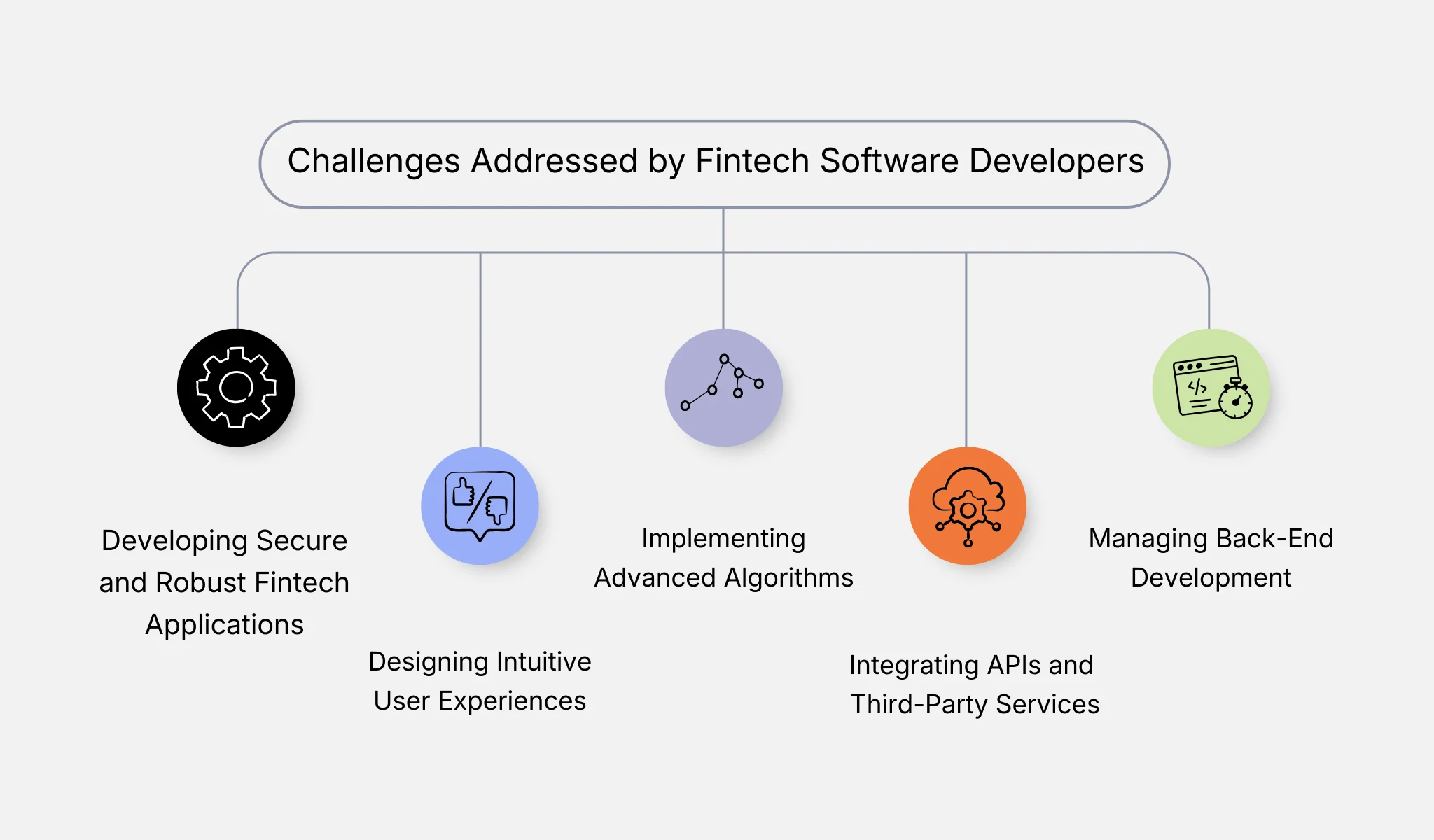
Developing Secure and Robust Fintech Applications
Fintech software developers play a crucial role in building secure and robust applications. They are well-versed in implementing stringent security measures, such as encryption protocols and secure authentication mechanisms, to protect sensitive financial data. These professionals deeply understand compliance requirements and can ensure that your fintech app adheres to relevant regulations, such as GDPR and PCI-DSS.
Designing Intuitive User Experiences
User experience (UX) is vital for fintech applications as they deal with complex financial transactions. Fintech software developers can create intuitive and user-friendly interfaces, particularly those with front-end and UI expertise. They leverage their knowledge of UX best practices to design streamlined workflows, ensuring users can navigate the app effortlessly. By providing a seamless user experience, fintech developers enhance customer satisfaction and drive user adoption.
Implementing Advanced Algorithms
Fintech software developers possess solid algorithmic skills. They can design and implement sophisticated algorithms that power various financial processes. These algorithms enable efficient risk assessment, fraud detection, and data analysis, empowering organizations to make data-driven decisions. With machine learning and data science expertise, fintech programmers can create intelligent systems that automate tasks and improve operational efficiency.
Integrating APIs and Third-Party Services
Fintech applications often integrate with external systems, such as payment gateways, banking APIs, and identity verification services. Fintech software developers excel at integrating these APIs seamlessly into your application, ensuring smooth data exchange and functionality. They can also develop custom APIs to expose your fintech app's functionalities, enabling third-party developers to build on your platform.
Managing Back-End Development
While front-end development focuses on user interactions, back-end development forms the backbone of any fintech application. Fintech software developers with expertise in back-end technologies like Java, Python, and PostgreSQL are adept at building scalable and efficient server-side architectures. They can optimize database performance, implement secure data storage solutions, and design APIs for seamless communication between the front-end and back-end components.
How to Hire the Right Fintech Software Developers
It is crucial to hire fintech software developers for overcoming challenges in the fintech industry. These professionals navigate complex regulations, develop innovative solutions, and create user-friendly experiences.
This guide provides steps and tips on hiring the right fintech software developer for your business needs:
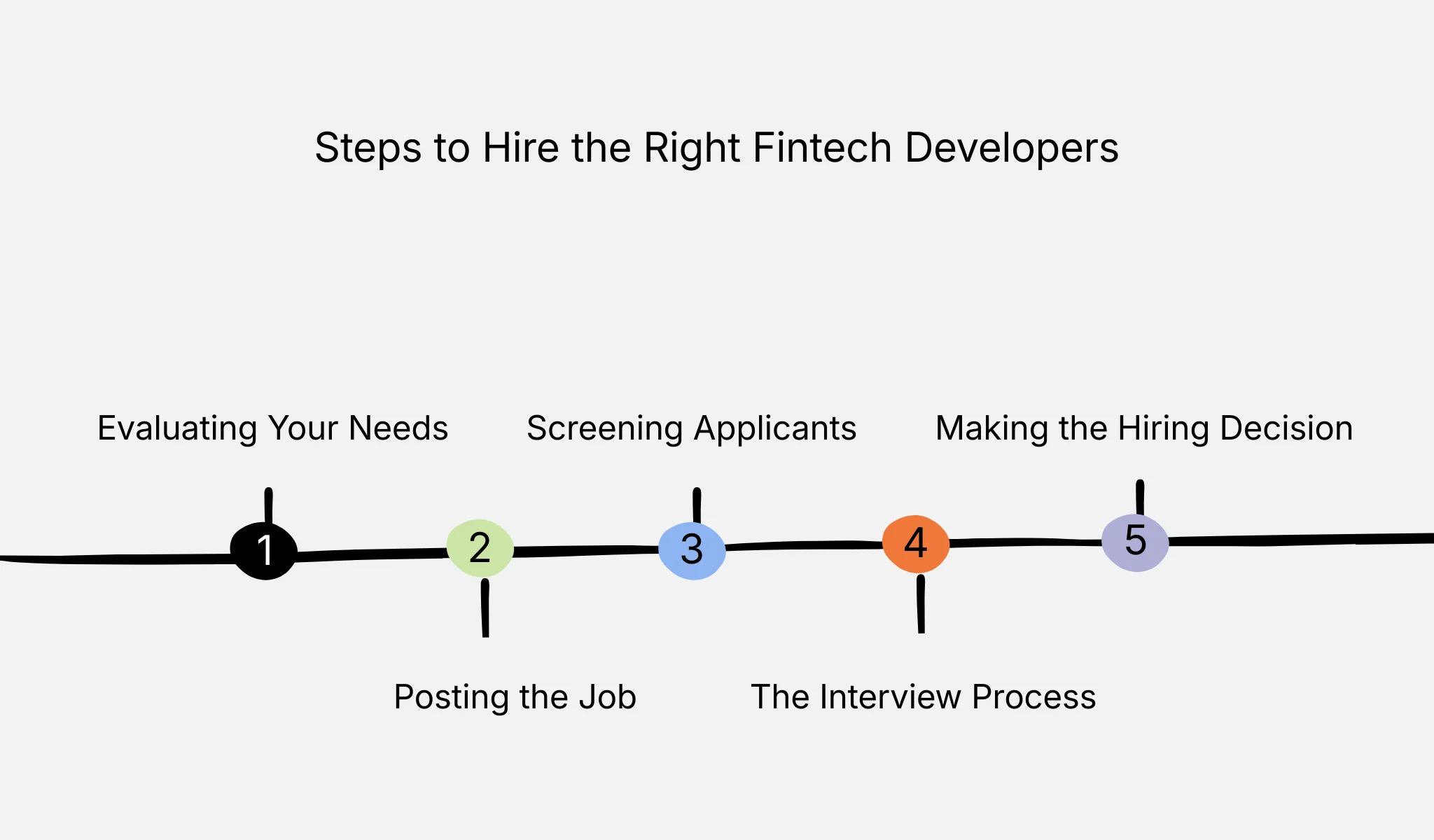
Step 1: Evaluating Your Needs
When hiring fintech software developers, the first step is to evaluate your needs and determine whether an in-house team or outsourcing is the right choice for your business. This decision will depend on factors such as the complexity of your project, budget constraints, and the need for specialized expertise. If you opt for an in-house team, you will have greater control over the development process and can align it more closely with your specific requirements. On the other hand, outsourcing can provide access to a broader talent pool and cost-effective solutions.
Step 2: Posting the Job
Once you have decided on the approach, the next step is to post the job. When creating the job description, it is important to highlight key aspects that will attract suitable candidates. Emphasize your company's commitment to fintech software engineering and mention any relevant technologies or programming languages. Include details about the desired tech stack and any experience with fintech app development. Additionally, if you require potential candidates to sign a non-disclosure agreement (NDA), mention this requirement in the job posting.
Step 3: Screening Applicants
When reviewing applications, take the time to screen each applicant carefully. Recruiting software can help simplify this process by organizing candidate information and reducing the manual effort involved in evaluating large applicant pools. Look for their previous experience in fintech software development services, as well as their familiarity with your desired tech stack. Pay attention to their resumes, portfolios, and backgrounds to assess their skills, creativity, and problem-solving abilities. Look for candidates with a track record of delivering high-quality results and demonstrating a solid understanding of the fintech industry.
Step 4: The Interview Process
The interview process is crucial in hiring the right fintech software developer. Prepare a list of recommended questions to help you gauge the candidate's technical expertise, familiarity with relevant technologies, and ability to work effectively in a team. Consider asking about their experience with project management, approach to development processes, and familiarity with popular frameworks such as Vue or React Native. Assess their communication skills; effective communication is essential for successful team and client collaboration.
Step 5: Making the Hiring Decision
After conducting interviews, it's time to make the final hiring decision. Consider multiple factors when making this decision, including the candidate's technical skills, cultural fit with your company, ability to adapt to your team's workflow, and overall potential for growth and innovation. It may be beneficial to involve critical stakeholders or team members in decision-making to gain different perspectives.
Hiring the right fintech software developer requires careful evaluation of your needs, a thorough screening of applicants, and a comprehensive interview process. Whether you build an in-house team or outsource your development needs to a dedicated fintech software development company, ensuring a good fit between the candidate's skills and your project requirements is essential for success. By following this step-by-step guide and considering the relevant factors, you can increase your chances of finding talented fintech software developers to contribute to your company's growth and success.
Ad Template for Hiring a Fintech Software Developer
For several reasons, a good ad is crucial when hiring a fintech software developer. It serves as the first point of contact between the company and potential candidates, setting the tone for the entire recruitment process. Here are the four main parts of an ad template for hiring a fintech software developer and why they are essential:
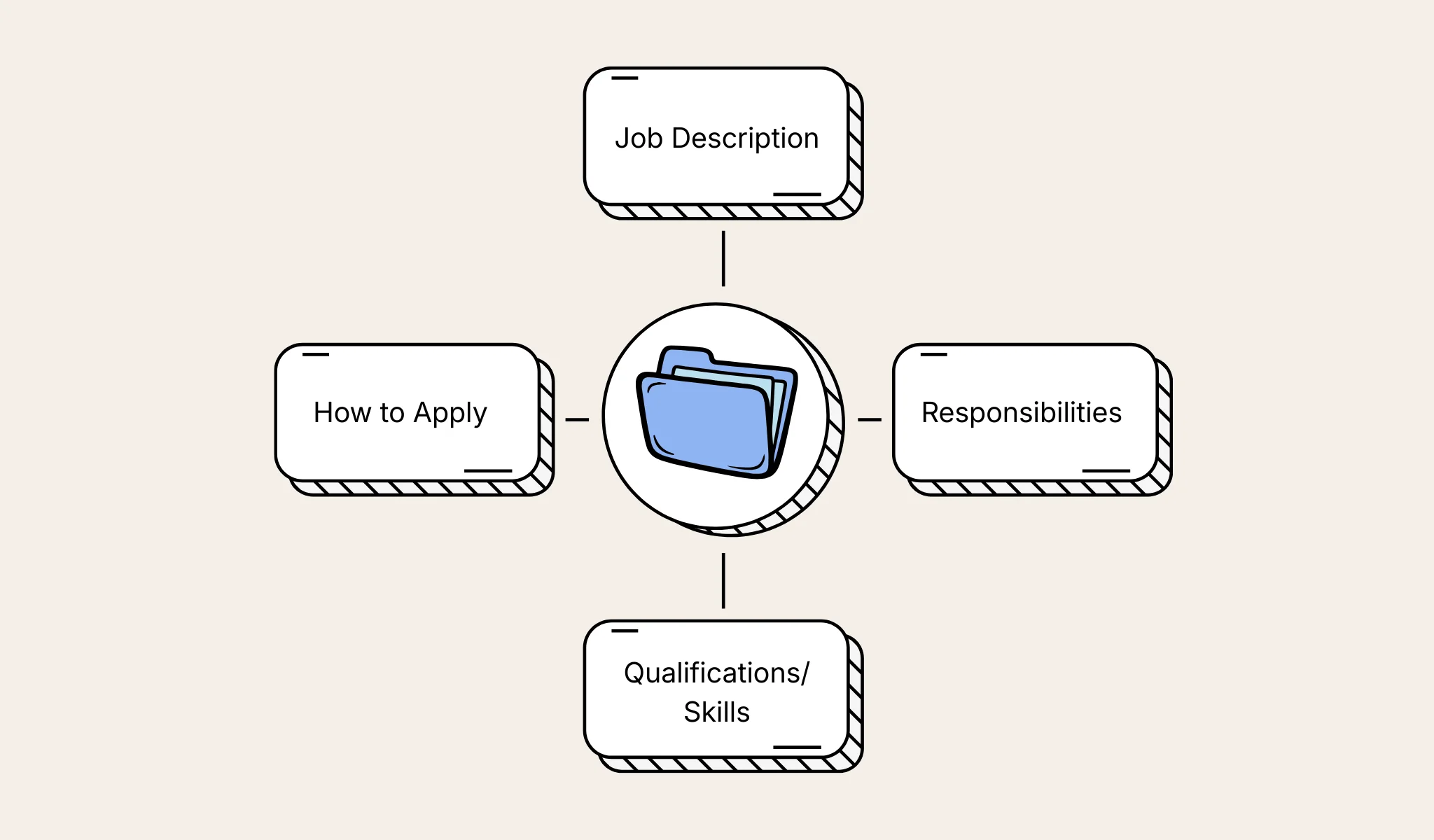
Job Description
The job description provides an overview of the position, outlining the primary responsibilities and expectations. It helps candidates understand if their skills and experience align with the role, ensuring that only qualified applicants apply. A clear and comprehensive job description also helps attract candidates genuinely interested in fintech software development.
Responsibilities
This section highlights the specific tasks and duties the candidate will be responsible for. It provides a clear understanding of the role's scope and ensures that candidates know what is expected from them. Including specific responsibilities helps candidates self-assess their suitability for the position and ensures a better match between the company's needs and the candidate's skills.
Qualifications/Skills
This section outlines the required qualifications and skills for the position. It helps filter out applicants who must meet the minimum requirements and attract candidates with the necessary expertise. Clearly stating the qualifications and skills also ensures that candidates can quickly assess if they are a good fit, saving both the company and applicants time in the recruitment process.
How to Apply
Providing clear instructions on how to apply, including what documents to submit and any specific requirements, streamlines the application process. It helps ensure that candidates submit the necessary materials and allows the company to review applications efficiently. A well-defined application process demonstrates the company's professionalism and organization, creating a positive impression for potential candidates.
A good ad template for hiring a fintech software developer is essential for attracting qualified candidates, setting expectations, and streamlining the recruitment process. It helps ensure a better match between the company's needs and the candidate's qualifications, ultimately leading to a successful hire.
Are you a talented and driven Fintech Software Developer looking for an exciting new opportunity? We have the perfect job for you! Our company seeks a skilled and experienced Fintech Software Developer to join our dynamic team.
In this role, you will develop cutting-edge financial technology solutions. Your expertise in software development and knowledge of the fintech industry will be essential in creating innovative solutions that will revolutionize how people manage their finances.
Responsibilities:
- Design, develop, and deploy high-quality fintech software solutions that meet the needs of our clients.
- Collaborate with cross-functional teams to gather requirements, analyze business needs, and propose technical solutions.
- Implement best practices in software development, ensuring code quality, scalability, and security.
- Conduct thorough testing and debugging to ensure the software meets functional and performance requirements.
- Stay updated with the latest trends and technologies in the fintech industry and propose innovative ideas for improvement.
- Participate in code reviews and provide constructive feedback to fellow developers.
- Assist in troubleshooting and resolving software defects and issues.
- Collaborate with product managers, designers, and other stakeholders to deliver exceptional user experiences.
- Document software features, functionalities, and technical specifications.
- Continuously enhance your skills and knowledge through self-learning and professional development opportunities.
Qualifications:
- Bachelor's or Master's degree in Computer Science, Software Engineering, or a related field.
- Proven experience in fintech software development, with a strong portfolio showcasing your previous work.
- Proficiency in programming languages such as Java, C++, Python, or Ruby.
- Solid understanding of software development methodologies and best practices.
- Experience with agile development processes and tools.
- Familiarity with cloud platforms and services, such as AWS or Azure.
- Familiarity with fintech frameworks and libraries like Blockchain, Ethereum, or Solidity.
- Knowledge of database systems and SQL for efficient data management.
- Experience working with version control systems like Git.
- Strong problem-solving and analytical skills.
- Excellent communication and collaboration abilities.
- Ability to work effectively in a fast-paced, dynamic environment.
- Attention to detail and a commitment to delivering high-quality software.
Join our team and be part of an innovative company shaping the fintech industry's future. We offer competitive salaries, comprehensive benefits packages, and a supportive work environment encouraging growth and professional development. Don't miss this incredible opportunity to take your fintech software development career to the next level!
To apply, please submit your resume and portfolio to [email].
Things to Consider when Hiring a Fintech Software Developer
When hiring a fintech software developer, several essential factors must be considered. By considering these aspects, you can ensure that you make the right choice for your organization. The following points outline the key considerations:
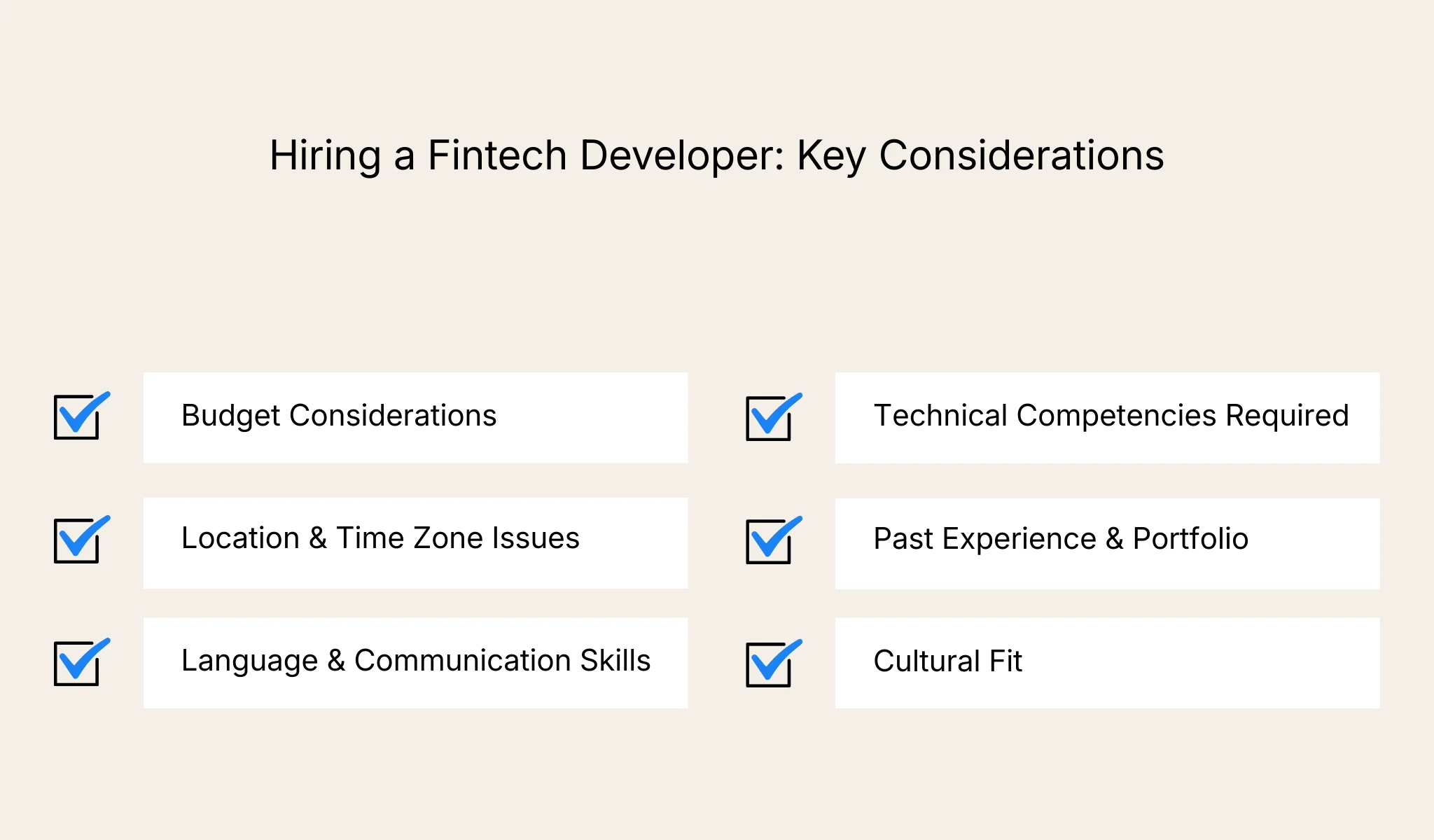
- Budget Considerations: Evaluate the financial resources for hiring a developer. Determine your salary range and whether it aligns with the market rates for experienced fintech software developers.
- Location and Time Zone Issues: Consider the developer's location. If you prefer a local presence, search for candidates within your area. Alternatively, if you are open to remote work, consider time zone differences and the impact on communication and collaboration.
- Language and Communication Skills: Assess the candidate's language proficiency, mainly if working with a team or clients from different regions. Strong communication skills are vital to ensure smooth project coordination.
- Technical Competencies Required: Identify the specific technical skills required for the role. Fintech software development typically involves blockchain technology, cybersecurity, data analytics, and cloud computing expertise. Evaluate the candidate's proficiency in these domains.
- Past Experience and Portfolio: Review the candidate's experience and portfolio. Look for relevant fintech projects they have worked on and assess the quality of their deliverables. Consider the complexity of the projects they have handled and whether they align with your organization's requirements.
- Cultural Fit: Determine whether the candidate's values, work style, and approach align with your company culture. Fintech development often requires collaboration, innovation, and adaptability. Assess the candidate's ability to work well within your team dynamics.
By considering these factors when hiring a fintech software developer, you can ensure that you find a skilled professional who fits well within your organization and can contribute to the success of your projects.
Key Takeaway
Whether you want to hire a fintech app developer for a one-off build or assemble an in-house product team, the way you choose talent can shape your company’s future. A solid team of developers who understand your users’ needs and your long-term vision can be your greatest strategic asset.
A successful hire requires more than scanning for technical skills. It starts with defining your needs, then carefully vetting experience, cultural alignment, and understanding of your regulatory needs and operational realities.
Building your own team of fintech software developers from scratch is fulfilling, but it’s also time-consuming. Working with Aloa lets you get straight to building. At Aloa, we do all the legwork of cultural and technical alignment by immersing ourselves in your business through a consultative end-to-end process. Talk to us today, and we’ll get started right away.
Want to explore some more? We have a Discord server full of other tech leaders interested in building the future of their company with AI. We also have a newsletter: Byte-Sized. Byte-Sized is where I gather all of the hottest tech news I come across over the past 24 hours, covering everything from AI models and tools to new practices and the latest on frontier tech.
FAQs
What questions should you ask before hiring a software development company for a fintech project?
Your interview questions should revolve around experience with regulated financial products, security-first architecture, and scaling fintech platforms. If you plan on integrating AI into your stack, you should also check whether the developers you hire have not just expertise with it, but also a natural curiosity about AI. Genuine interest in the tech is what drives them to experiment with and apply the latest models.
Beyond these high-level capabilities, you should also consider practical factors like budget alignment, time zone compatibility, team composition, and cultural fit.
What are the key skills to look for when hiring a fintech software developer?
Important skills to look for include:
- Backend engineering
- APIs
- Cloud infrastructure
- Cybersecurity best practices
- Agile development
Just as important as these are soft skills: problem-solving, attention to detail, and clear communication skills. These are all essential to get the most out of technical skills and ensure that security, compliance, and performance features are aligned with your business objectives.
How can fintech software developers help in navigating regulatory challenges?
The best fintech developers embed compliance into system architecture, data flows, and audit logging from the start. This is why you should hire a fintech developer who understands regulated financial environments and the tools they can use to proactively design systems that align with them.
How do fintech developers ensure the scalability of financial applications?
Fintech scalability hinges on being able to handle larger and larger transaction volumes. That’s why financial developers use:
- Cloud-native architectures: Applications built on AWS or Azure let teams dynamically allocate computing resources based on real-time demand.
- Microservices: This is the practice of breaking up applications into smaller, independent services that can be deployed, updated, and scaled individually. This way, if one service is down, it doesn’t affect all the other services around it.
- Load-balanced infrastructures: These distribute traffic across multiple servers by design, reducing bottlenecks and keeping up availability and performance, even during peak transaction periods.
What role do fintech developers play in enhancing user experience in financial apps?
Fintech developers improve UX by building fast, intuitive interfaces and reducing friction in onboarding, payments, and account management. This provides a solid foundation for UX designers to refine visual design and optimize user flows.
How can fintech developers support startups in the financial industry?
Fintech developers support startups by rapidly validating ideas and building MVPs. This gets you to deployment quicker, so you can start gathering vital regulatory and market feedback to refine your product-market fit and compliance.
At Aloa, we have extensive experience working with startups. We partner with founders to deliver rapid prototypes, internal tooling, and scalable fintech systems while prioritizing secure development practices and your overall technical strategy.